

The best time to visit Guanajuato depends on whether you’re prioritizing drier weather or a date connected to a local observance. Monthly climate figures show less rain from November through April, while July has the highest recorded monthly precipitation and a recurring celebration on July 31.
- Drier stretch in the climate table: November through April, with monthly precipitation from 7 to 15 mm.
- Warmest monthly mean: May, at 20.8 °C.
- Rainiest month in the table: July, with 145 mm of precipitation.
- Recurring dates: Día de la Cueva on July 31 and a Battle of the Alhóndiga enactment on September 28.
At a glance
5 places · swipe
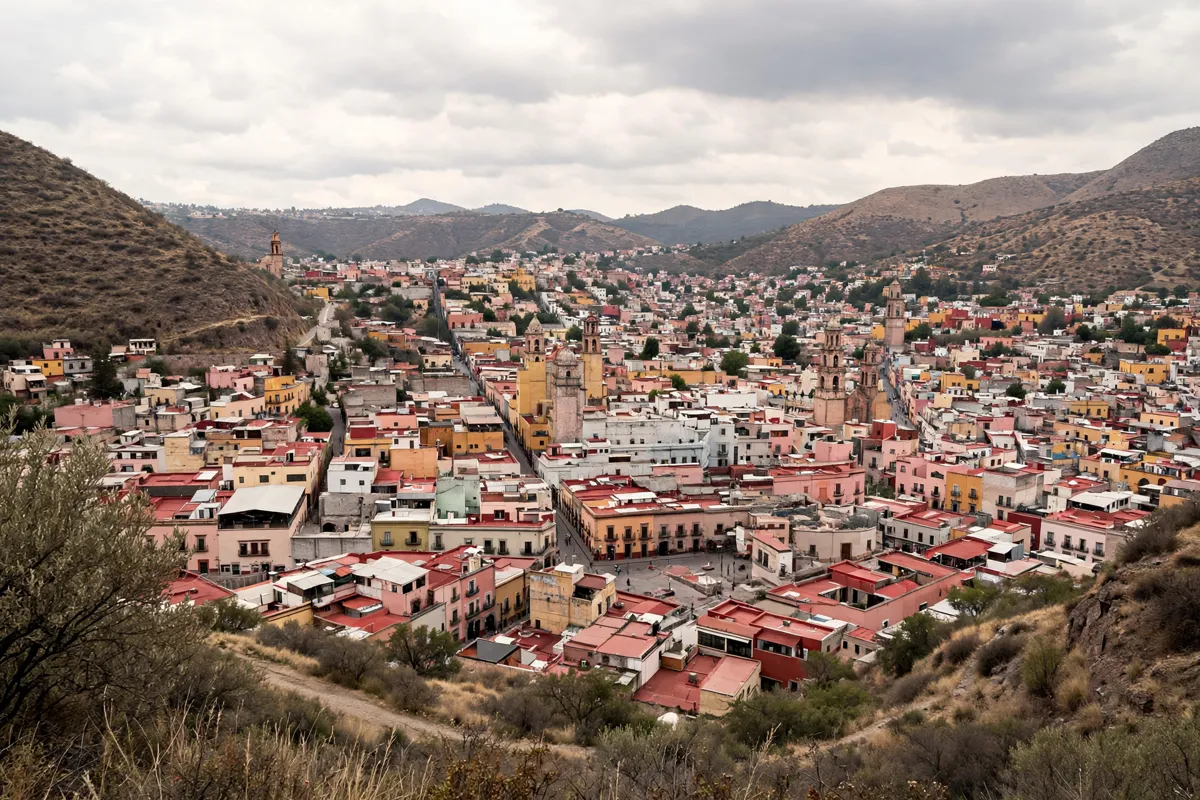 01Guanajuato weather through the yearGuanajuato’s monthly mean temperatures range from 13.9 °C in January to 20.8 °C in May, while rainfall…
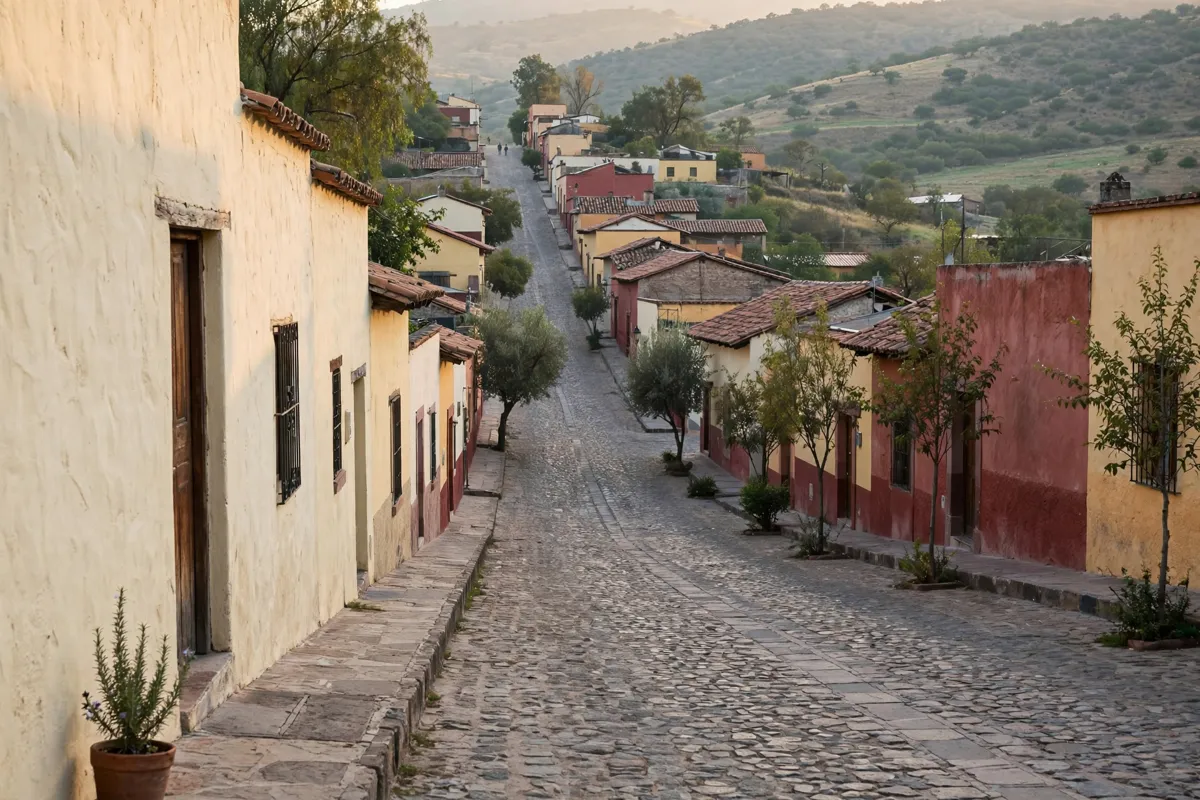 02September Independence celebrationsA recurring civic event recorded for September is an enactment of the Battle of the Alhóndiga, held in…
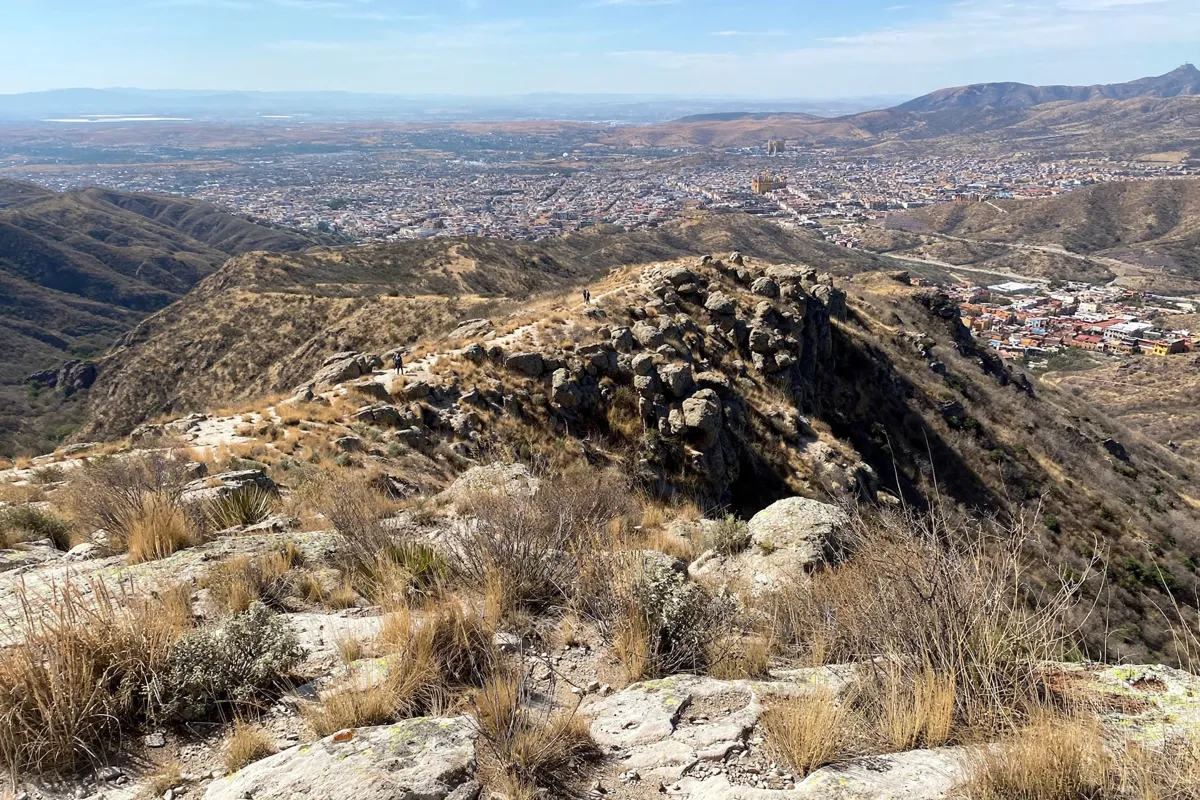 03July festivities at La CuevaDía de la Cueva, also called the San Ignacio de Loyola celebration, is a recurring observance on July 31.
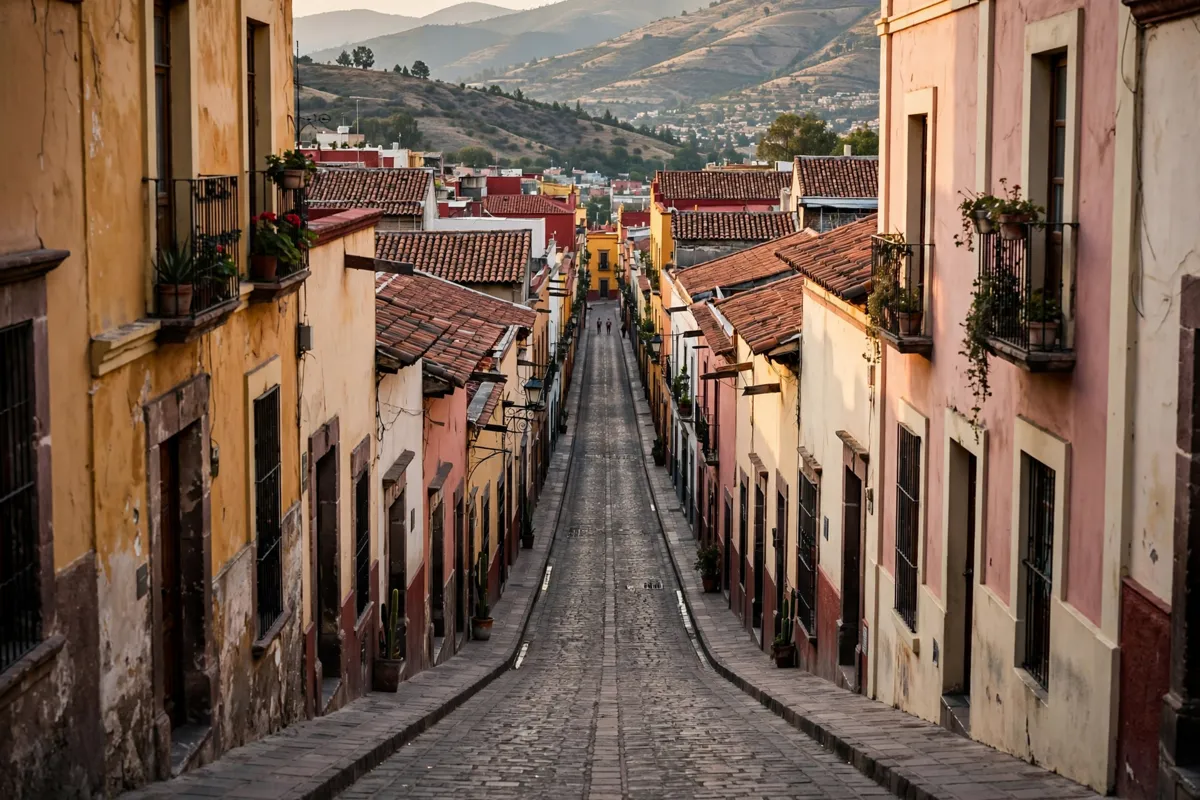 04Choosing dates for your visitChoose your dates by weighing the monthly climate pattern against the recurring events that matter to your…
- 05FAQsNovember through April is the driest continuous stretch in the municipal climate table, with monthly…
Guanajuato weather through the year
Guanajuato’s monthly mean temperatures range from 13.9 °C in January to 20.8 °C in May, while rainfall varies more sharply over the year. The municipal climate table gives the city’s conurbation monthly means and precipitation totals, so the figures offer a useful month-by-month comparison rather than a forecast for particular travel dates.
January and December have mean temperatures of 13.9 °C and 14.3 °C, with 13 mm and 12 mm of precipitation respectively. February and March are drier in the table, each with 7 mm; their mean temperatures are 15.2 °C and 17.6 °C. April reaches a mean of 19.6 °C with 15 mm of rain.
May is the warmest month by mean temperature, at 20.8 °C, and its reported mean minimum and maximum are 12.9 °C and 28.7 °C. Rain increases to 36 mm in May, then rises considerably in June, when the mean is 20.1 °C and precipitation is 130 mm.
July records 145 mm of precipitation, the highest monthly total in the table, with a mean temperature of 18.9 °C. August and September remain rainy by comparison with the drier start and end of the year: 139 mm and 132 mm respectively. Their mean temperatures are 19.1 °C in August and 18.4 °C in September.
By October, the mean is 17.2 °C and precipitation is 47 mm. November is drier, at 14 mm and a mean of 15.6 °C.
These figures make November through April the driest continuous stretch in the table, while June through September stands out for higher rainfall. For current conditions and any seasonal updates, check the official site before you go.
September Independence celebrations
A recurring civic event recorded for September is an enactment of the Battle of the Alhóndiga, held in Santa Rosa on September 28. If that date is part of your plans, allow room in your schedule for the event and check local arrangements before setting out.
The city’s September climate figures show a mean temperature of 18.4 °C and 132 mm of precipitation. That rainfall total is substantially higher than October’s, so it’s worth keeping the month’s weather pattern in mind when choosing dates around the celebration.
September also falls within the broader period associated with the Festival Internacional Cervantino. Its specific dates and programme aren’t included here, so verify them with the event’s official organizers before booking around a performance.
July festivities at La Cueva
Día de la Cueva, also called the San Ignacio de Loyola celebration, is a recurring observance on July 31. The municipal report identifies the date but does not give a schedule or describe the programme, so check local event details before making plans around the celebration.
July is also the wettest month in the climate table, with 145 mm of precipitation and a mean temperature of 18.9 °C. June and August are similarly rainy, at 130 mm and 139 mm. If you’re travelling during this period, keep your daily plans flexible and confirm event arrangements close to your visit.
Choosing dates for your visit
Choose your dates by weighing the monthly climate pattern against the recurring events that matter to your itinerary. The table points to November through April for lower monthly rainfall; July offers a date-specific observance, while September has the recorded enactment in Santa Rosa.
For the hotel-distance reference, a three-star hotel in Guanajuato is about a 7-minute walk from the city centre. Build your plans around the dates and areas you want to visit, then confirm event schedules and weather before departure.
For a spring trip, March has a mean temperature of 17.6 °C and 7 mm of precipitation; April’s mean rises to 19.6 °C with 15 mm. May is warmer on average, but rainfall increases to 36 mm. These comparisons can help narrow down a month, though monthly averages cannot predict the weather on a particular day.
October has a mean temperature of 17.2 °C and 47 mm of precipitation, lower rainfall than the preceding months in the table.
It is also a month associated with the city’s festival season, but event dates and details should be confirmed with organizers. For a concise route through the historic center, you can pair your date planning with this one-day Guanajuato historic-center itinerary.
FAQs
What is the best month to visit Guanajuato for lower rainfall?
November through April is the driest continuous stretch in the municipal climate table, with monthly precipitation totals between 7 and 15 mm.
When is Día de la Cueva?
The recurring Día de la Cueva, also called the San Ignacio de Loyola celebration, is observed on July 31.
What happens in Santa Rosa on September 28?
An enactment of the Battle of the Alhóndiga is held in Santa Rosa on September 28.
Is July rainy in Guanajuato?
Yes. July has the highest monthly precipitation in the climate table, at 145 mm, and a mean temperature of 18.9 °C.